
This is the first of a planned series of blogs and reflections on mostly current China topics and issues. The blog reflects personal interests and thoughts and is quite separate from my professional engagement with the country.As a refugee from the humanities working in business school,. these interests may range across economic issues, arts culture and society.
The blog will present and engage with a range of, sometimes contradictory, opinions of various topics, to try to give some insight into the debates taking place international about China and its development. The opinions communicated in the texts are those of their authors and do not necessarily reflect my own thoughts.
CONTENTS
RECENT CHINA TRADE DEALS
GREENING CHINA
ISSUES FOR CONTEMPORARY YOUTH – Houlang 后浪, sang 丧 , and Involution
TECHNOLOGY and the Art of Technology
If you have suggestions or comments, please do contact me at MJ68 – your feedback will be useful in developing this project.
I hope you enjoy reading
Michael
RECENT CHINA TRADE DEALS
In the last two months, basically during the US election, China has concluded two hugely significant trade deals RCEP and the China-EU investment deal. Both of these have been under discussion for a significant time. How significant is the timing of these deals, one just days after the EU concluded its BREXIT negotiations. the two could be seen as a proactive strategy to undermine the new 2021 Biden administration’s attempts to build stronger coalitions to limit China’s power and influence and pressure the country to accepting a US-led package of trade and economic reforms.
THE CHINA-EU INVESTMENT DEAL
REGIONAL COMPREHENSIVE ECONOMIC PARTNERSHIP (RCEP)
South China Morning Post Published December 1, 2020
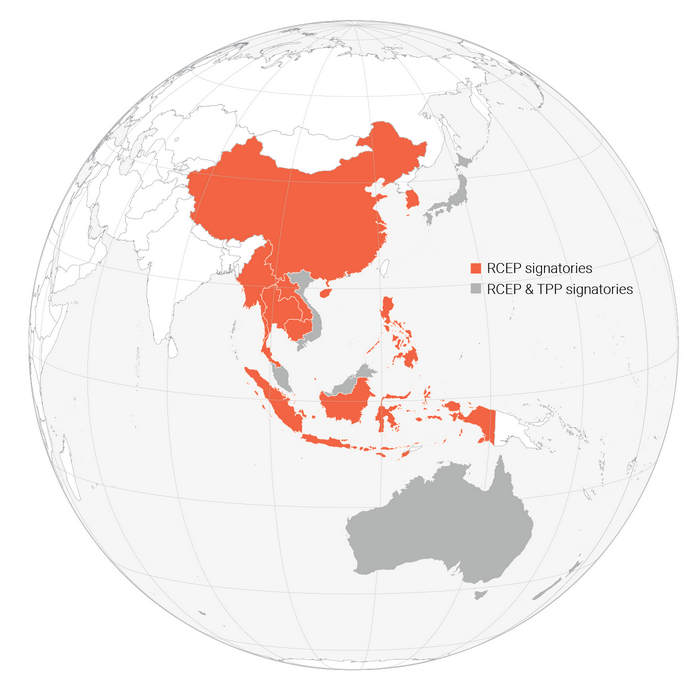
On November 15, 2020, 15 Asia-Pacific nations signed the Regional Comprehensive Economic Partnership (RCEP), the world’s largest free-trade agreement (FTA). It includes China, 10 Asean nations and four regional trade partners: Australia, Japan, New Zealand and South Korea. RCEP covers almost one-third of the world’s population and about one-third of its gross domestic product.”
Economist Intelligence Unit Webinar
(free registration required)
ANALYSIS
From the SCMP…

And the American liberal press seems to be getting very uneasy about the potential implications
GREENING CHINA
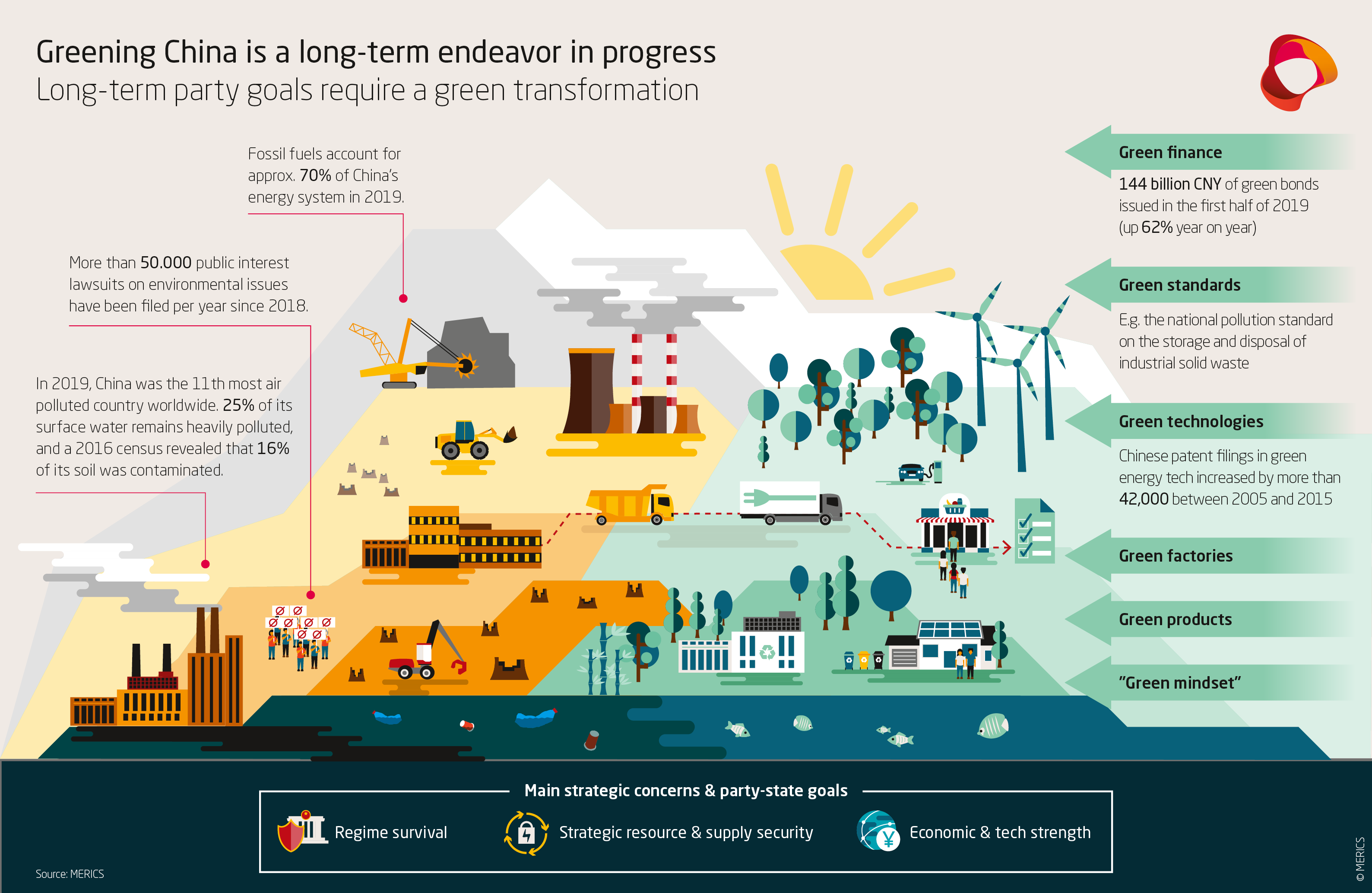
MERICS has recently published “Greening” China: An analysis of Beijing’s sustainable development strategies
They argue
China’s leadership acknowledges climate change and environmental degradation as real and pressing threats to long-term regime survival and economic prosperity, write Holzmann and Grünberg. Green solutions are part of China’s technological ambitions and industrial policies. Beijing hopes to replicate its successes in solar energy, wind energy and electric vehicles. “It wants to clean up China’s environment without foregoing growth, with the added benefit of establishing China as a globally competitive innovator and high-tech superpower.”
Beijing’s green policies are mostly industry or region-specific, often rolled-out in a piecemeal fashion, and they tend to clash with policies aimed at fostering fast growth and social stability. Growth in China can not yet be considered “green”, and the quality of so-called green products is often unsatisfactory. China has initiated a number of environmental and climate protection measures, but there is a lack of sector-specific and local incentives to put projects into practice. For comprehensive change, China must overcome this discrepancy, the authors conclude.
ISSUES FOR CONTEMPORARY YOUTH – Houlang 后浪, sang 丧 , and Involution
These stories come form two fascinating sources Reading the China Dream and Sixth Tone.
Sixth Tone describes itself as
There are five tones in Mandarin Chinese. When it comes to coverage of China, Sixth Tone believes there is room for other voices that go beyond buzzwords and headlines to tell the uncommon stories of common people.
Through fresh takes on trending topics, in-depth features, and illuminating contributions, Sixth Tone covers issues from the perspectives of those most intimately involved to highlight the nuances and complexities of today’s China.
We are a team of writers, editors, and researchers from within China and abroad. We belong to Shanghai United Media Group, and share our offices with our sister publication, The Paper.
while Reading the China Dream sees its original mission
To analyse and make available the knowledge production of these Chinese intellectuals who debate China’s history, future, and place in the world, for the benefit of Canadian/ Western scholars, policy-makers and citizens; and,To build a style of academic work and training to produce transnational knowledge about China through collaboration with Chinese academic partners with the goal of training a generation of ‘new-style scholars’ who work with Chinese and non-Chinese colleagues to study China and the world. Thus, the ‘product’ of this project is both a process of scholarly knowledge production (that also provides graduate training) and the resulting texts (scholarly articles and translations) created by it.
HOULANG AND HOULANG CULTURE – XU JILIN
China’s Generation Z? What are houlang and houlang Culture?
https://www.readingthechinadream.com/xu-jilin-houlang-and-houlang-culture.html
“The text in question is the transcription of a round-table discussion of houlang and houlang culture. Houlang 后浪 (literally, the “rear wave”) is a figurative way of referring to the “new generation” in China; it comes from the expression “As in the Yangzi River, where the rear waves drive on those before, so each new generation surpasses the last长江后浪推前浪,一代更比一代强.” The term became a hot topic of discussion after a video by the same name was aired on Bilibili, a youth-oriented Chinese video-sharing platform, on Youth Day (May 4) of 2020.
Narrated by the nationally known actor He Bing 何冰 (b. 1968), the clip has the production values of a Coca-Cola ad (“I’d Like to Teach the World to Sing”), and is full of images of beautiful Chinese twenty-somethings living wonderful, exciting, high-tech lives. He Bing’s narrative celebrates the glorious existence of today’s youth with a sense of awe that is both excessive and off-putting. “
INVOLUTION
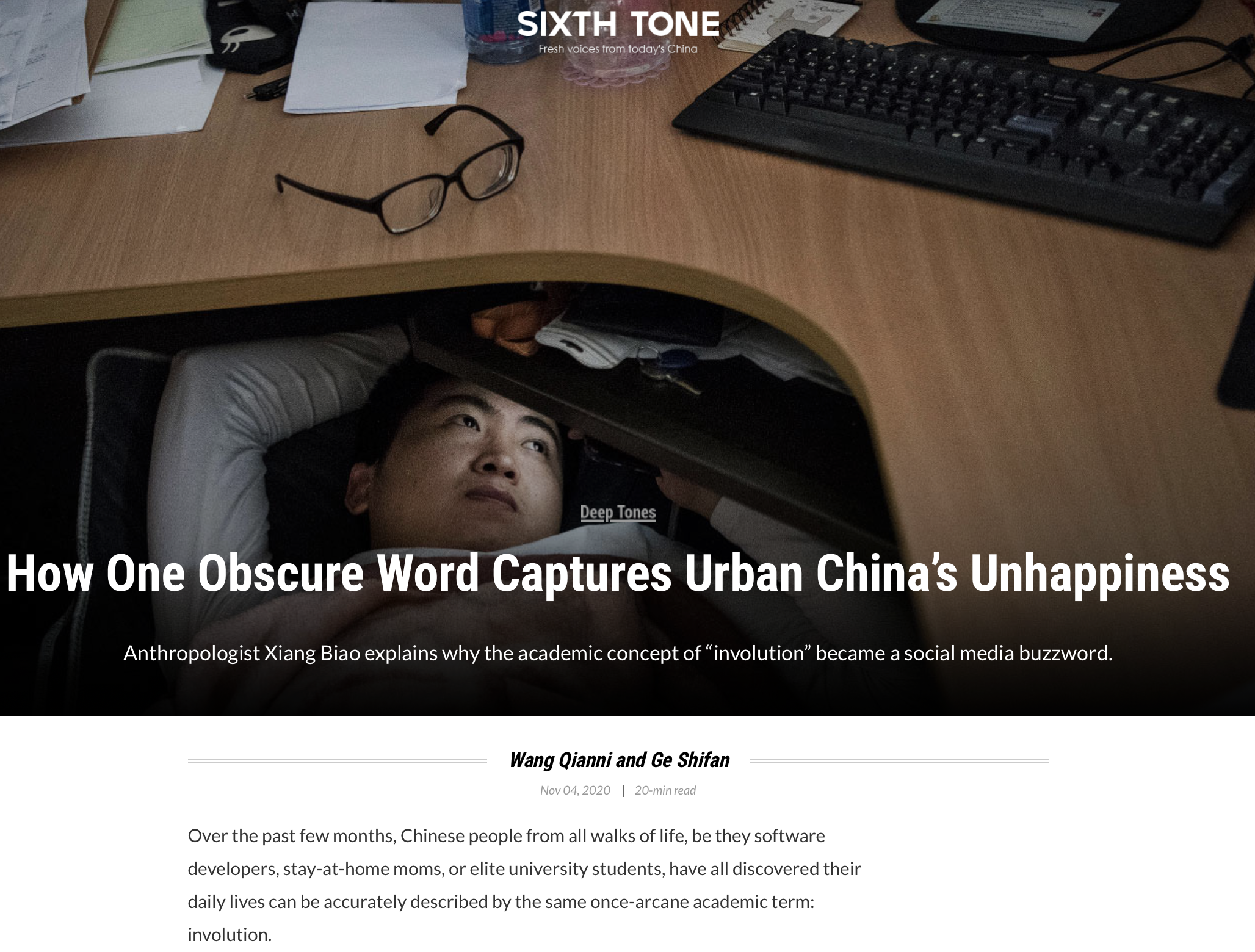
https://www.sixthtone.com/news/1006391/how-one-obscure-word-captures-urban-chinas-unhappiness
Liu Xinting, “Contemporary Youth”
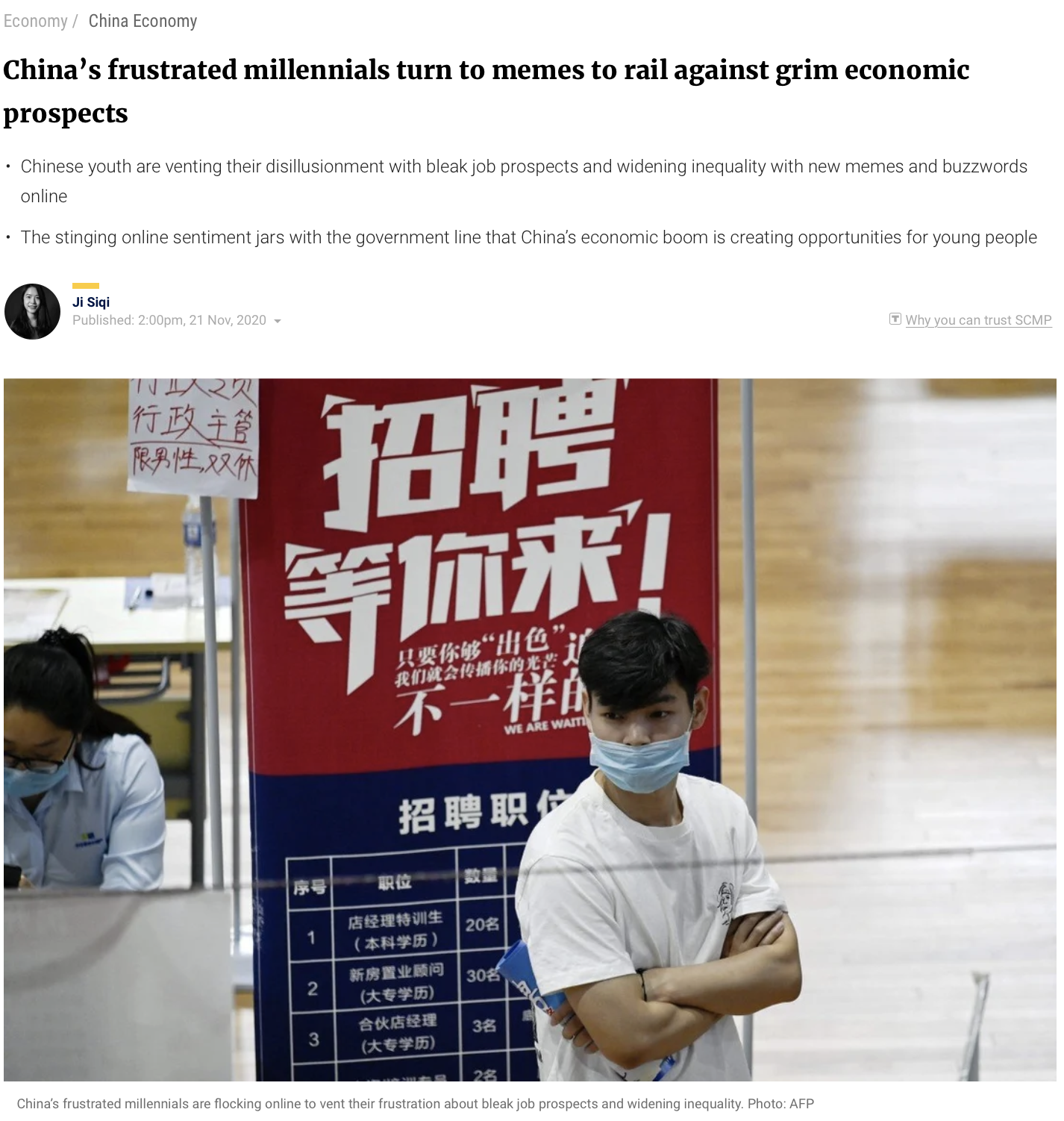
“In the text we have translated here, Liu focuses on China’s online generations, those born in the 1990s and 2000s, exploring and explaining their “unhappiness,” largely created by soaring real estate prices and uncertain employment prospects. Her specific focus is on the emotional response of these educated youth to this perspective of diminished expectations—or outright failure—as expressed through their online life, i.e., their creation and circulation of memes.
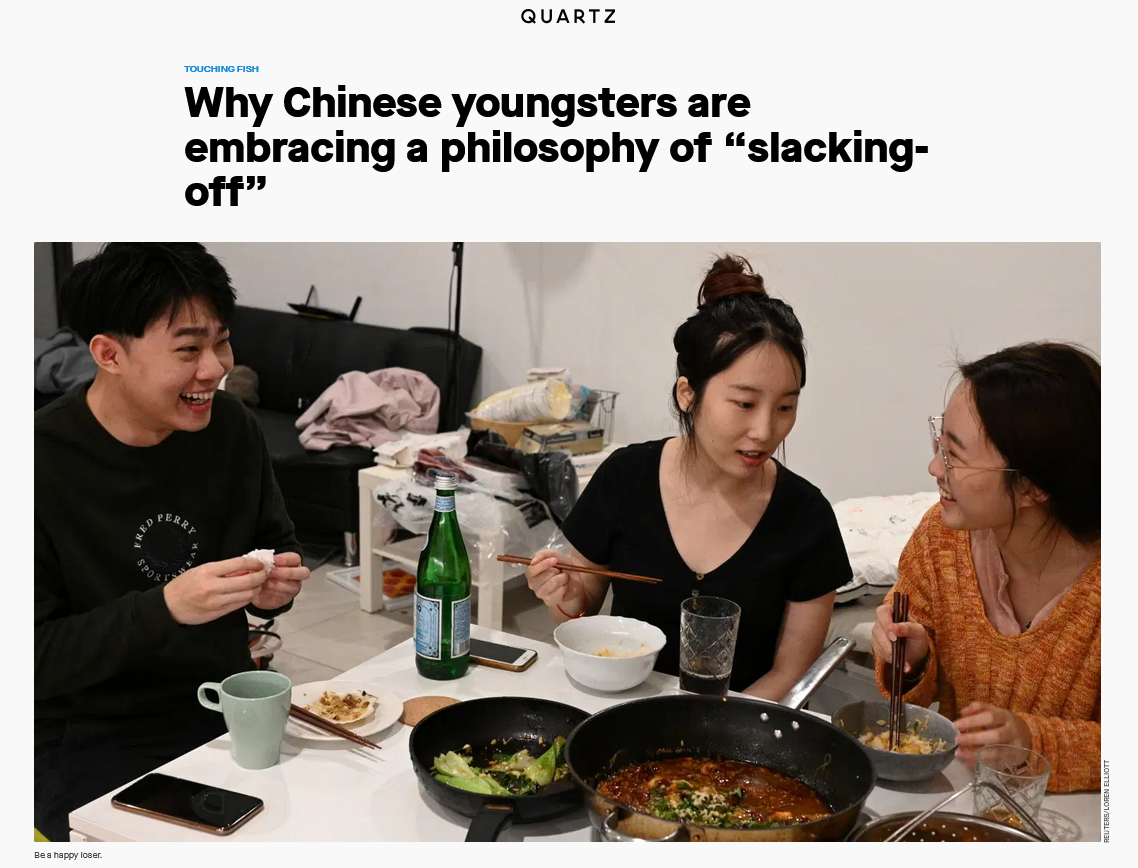
In China this youth mood, and its memes, fall under the rubric of “sang 丧 culture.” The basic meaning of sang is to lose something through death, and hence it is associated with mourning and related moods of dejection and depression. Sang culture is immediately ironic, since the young people are “mourning” something they have never had, and as befits our current reality, a consumer culture has grown up around sang—Liu mentions sang music and sang tea…which are surely ironic as well. Beyond irony, however, China’s youth feel an overwhelming sense of fatigue bordering on paralysis, because the amount of hard work required to succeed is staggering, while at the same time hard work is no guarantee of success, and yet dropping out is not an option.”
https://www.readingthechinadream.com/liu-xinting-contemporary-youth.html
…and something from the SCMP ands Quartz…
TECHNOLOGY and the Art of Technology
I’m also re-reading Liu Cixin’s Three Body Problem Trilogy (see a London Review of Books essay here) and this huge new telescope in Guizhou seems eerily similar and the authgor weas invited to visit at its opening https://www.theatlantic.com/magazine/archive/2017/12/what-happens-if-china-makes-first-contact/544131/
As Dan Wang mentioned Qiushi in his 2200 letter, here’s a link to a story about the telescope there http://en.qstheory.cn/2021-01/05/c_579725.htm
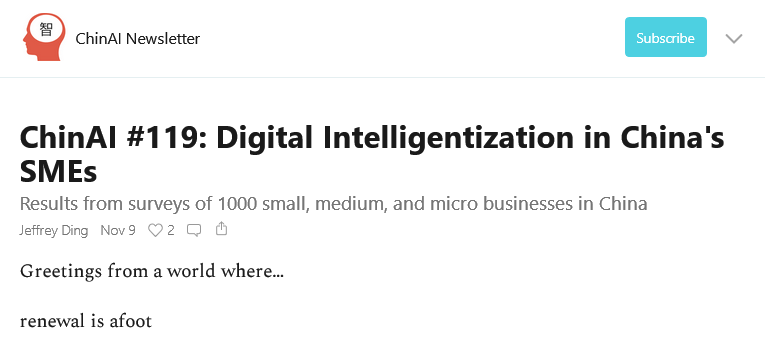
which led on to another great translation project, this time focussing on China Tech and especially AI. Jeffery Ding provides insights from across the Chinese AI domain and delivers original documents in Chinese with translations
Here’s a recent translation…”
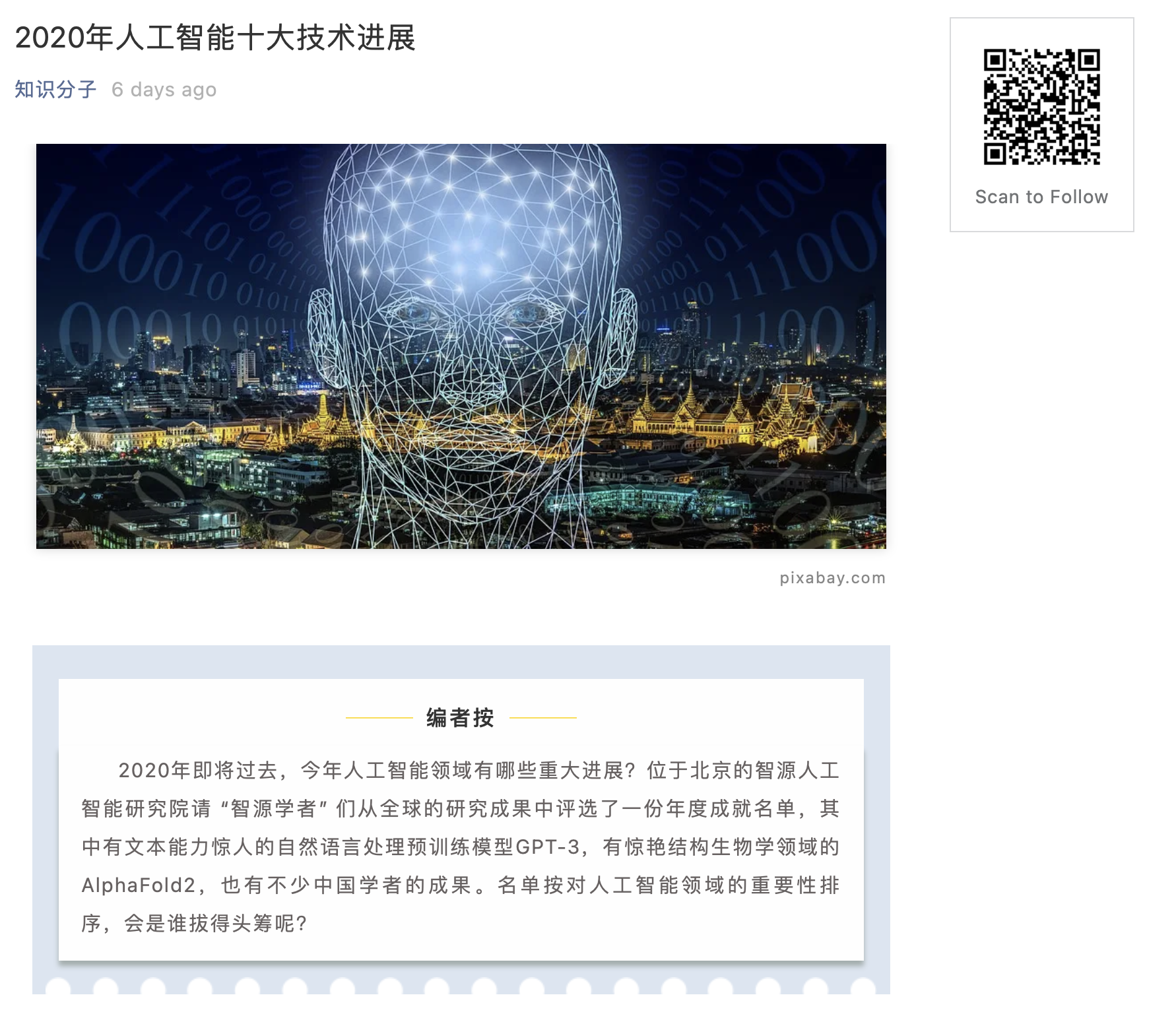
Feature Translation: The Ten Biggest Technological Advances in AI in 2020
The Beijing Academy of Artificial Intelligence asked its scholars to come up with a joint top 10 list (links to the original Mandarin) of the most important AI advances in 2020. Instead of a Google doc, …(Jeffery Ding has…) just translated what they came up with below”

…and one more in case you not yet satisfied
I hope this first issue has whetted your appetite for more. If you’d like to get future issues in your inbox, you can sign up here
If you have suggestions or comments, please do contact me at MJ68 – your feedback will be useful in developing this project.
I hope you enjoy reading
Michael
 China Readings